Key takeaways
- AI rarely stalls because technology fails. It stalls because the operating model around it never changes.
- As access to technology levels out, the differentiator in a services partner is how well it understands the client’s business.
- Technology amplifies the way an organization works, good or bad. Redesign the work first.
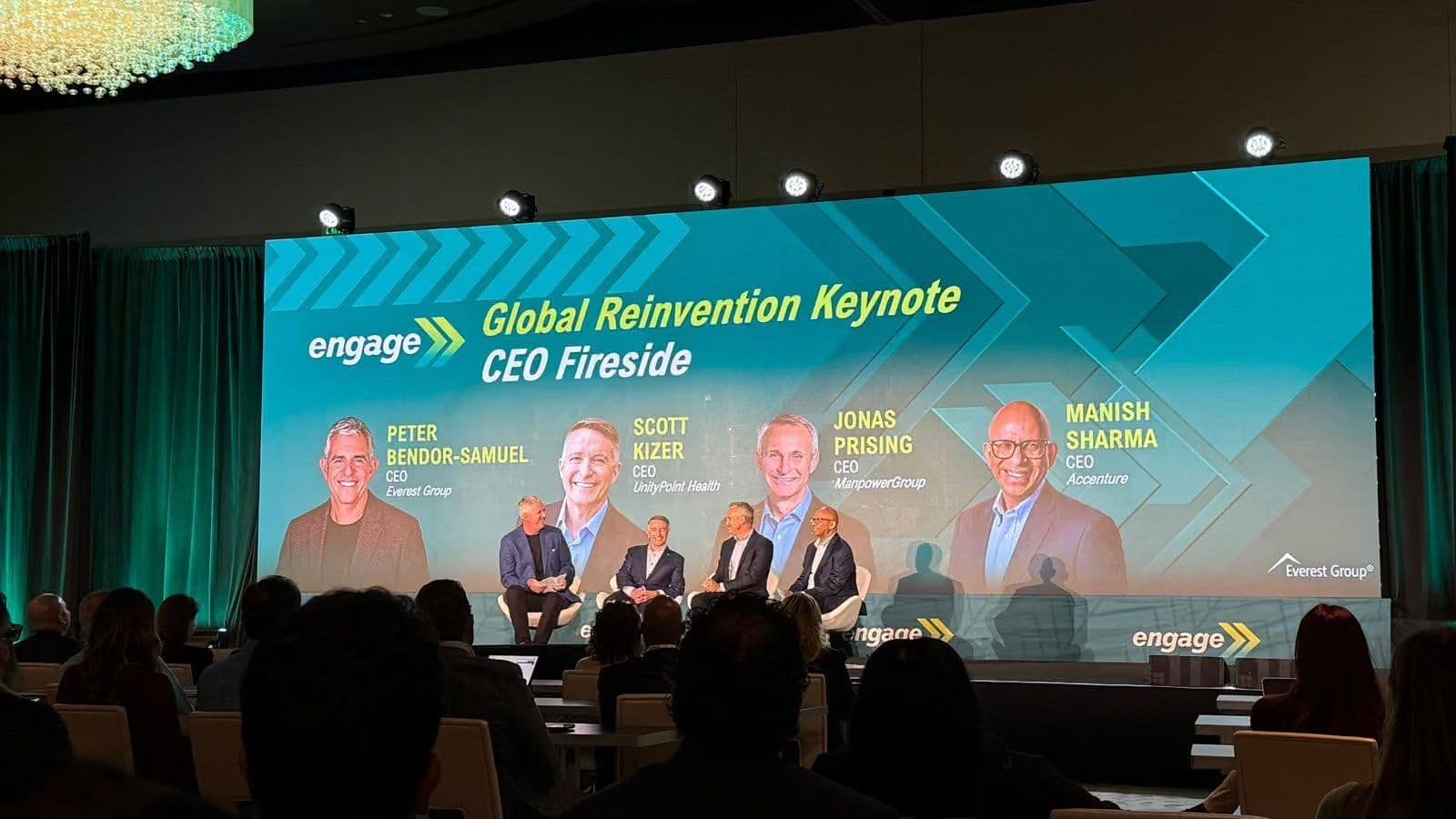
At Everest Group Engage in Dallas this month, one example stayed with me. AMC set out to improve its guest experience with AI, but it did not begin with a tool. It mapped its customer journeys, identified the most common sources of friction and simplified its knowledge base. Only then did AI take over routine requests, while people kept the situations that call for judgment and empathy.
Technology was almost the last step. That is the pattern I heard across the conference, whose theme was The Execution Curve. Three shifts kept coming up.
1. From experimentation to execution
Companies have spent years exploring what AI can do. The harder question now is what it is doing for the business. A proof of concept shows that something can work. Transformation starts when that capability is embedded in daily operations and keeps producing results.
Before scaling a pilot, an executive should be able to answer four questions:
- What specific business outcome is meant to move, and how will we measure it?
- Which workflow changes, and who owns that process?
- Are those owners involved from the start, or only at rollout?
- What governance takes this from pilot to production?
If any answer is vague, the problem is probably not the model.
2. From technology vendors to strategic partners
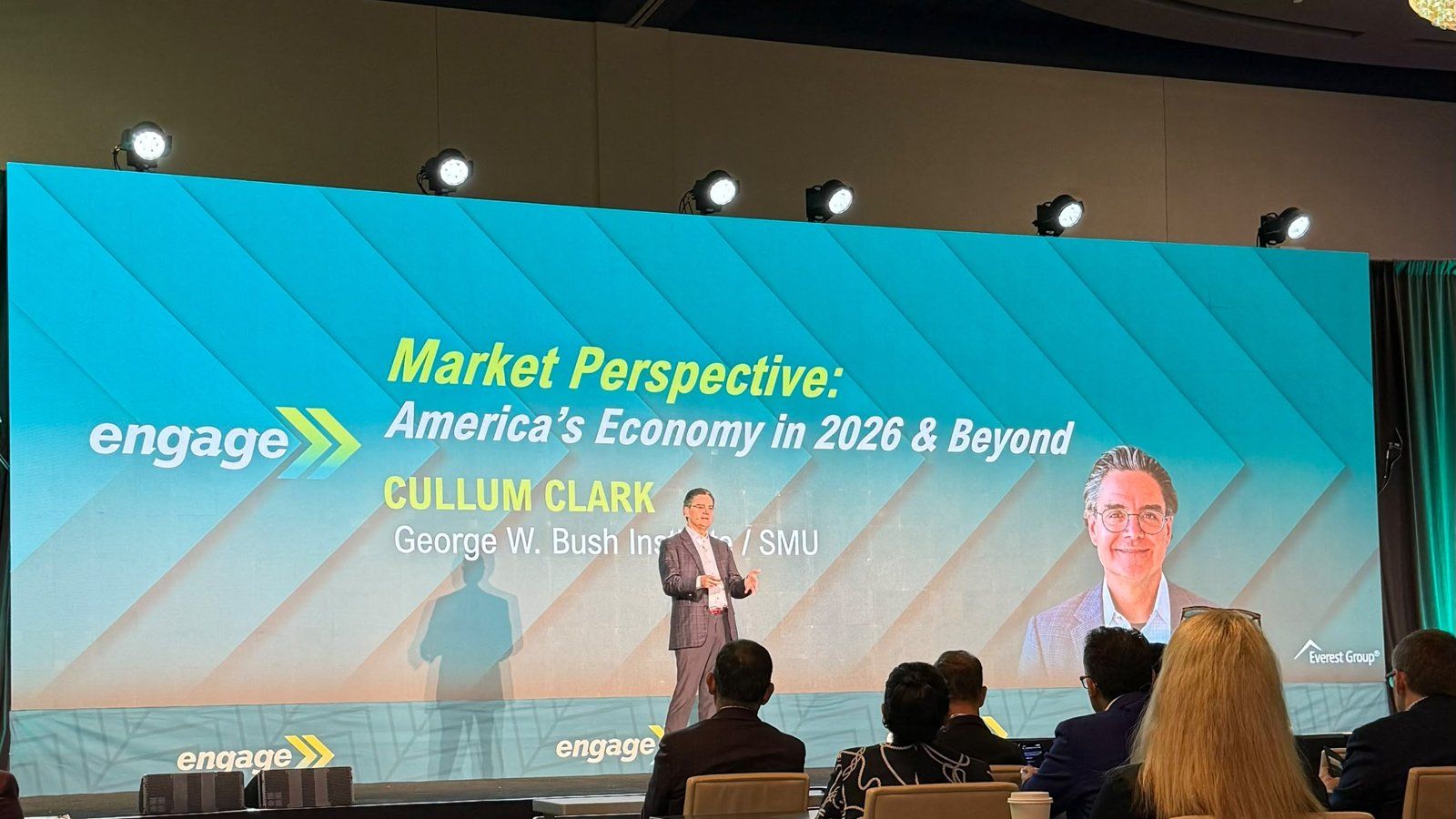
This is also a question of who you choose to build with. As AI becomes more accessible, access to technology differentiates less and less. What counts is a partner’s ability to understand a complex business, connect capabilities, manage risk and turn technology into operational results.
That changes how engagements start. Instead of a predefined technical scope, the first conversation should be about what the client is trying to accomplish, which priorities drive the investment and what success looks like beyond go-live. Outcome-based relationships also require transparency and shared accountability, which a statement of work alone does not create.
For buyers, this is a practical filter. When evaluating a partner, ask how well it understands your business before you ask how advanced its technology is.
3. From technology deployment to organizational transformation
AI can automate tasks and speed up decisions, but it also amplifies whatever it is applied to. Without the right data, processes, leadership and alignment, it can accelerate inefficient ways of working instead of fixing them. AMC’s approach shows the alternative: redesign the experience first, then decide where technology and people each add the most value.
What connects the three
These shifts are one argument. Execution requires rethinking how work happens, which requires aligning people, processes and technology, and doing that at scale usually takes a partner who understands the business behind the technology.
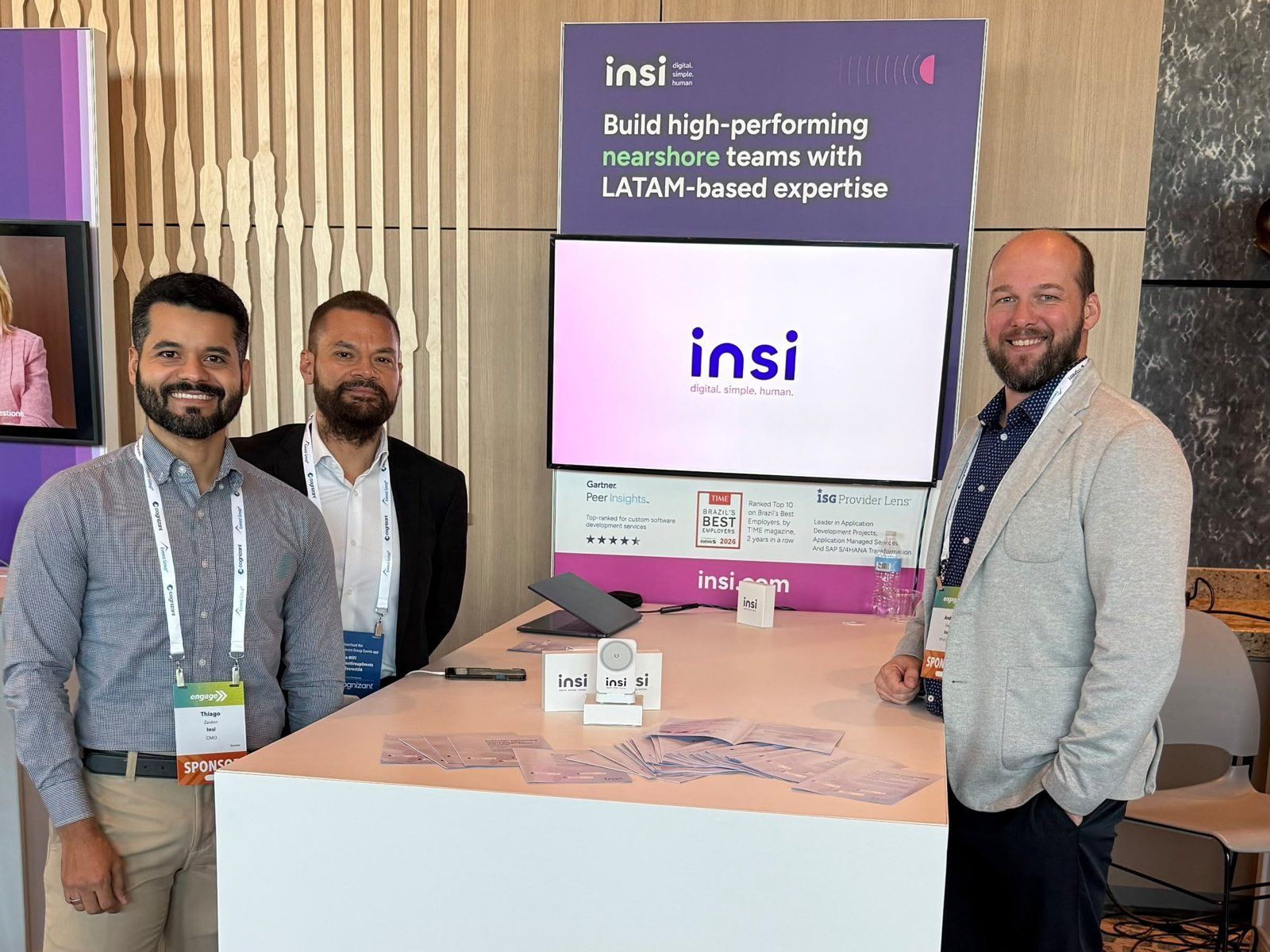
This is how we approach it at Insi. Transformation starts with the client’s intent: what the organization wants to achieve, why it matters and what has to change to get there. Strategy, technology and execution follow that clarity, not the other way around. That’s why we say that everything starts inside.
The companies that come out ahead will not be those that adopt AI first. They will be those that turn its potential into lasting business value, and that takes more than technology.
If you have a pilot that works but struggles to scale, we would be glad to compare notes. Reach out to the Insi team.